
Why Is Battery-Inverter Communication So Important for Solar Energy Storage?
Release time: 2026-09-21
A Real-World Incident Highlights an Important Installation Lesson
Lithium battery energy storage systems rely on more than the battery and inverter alone. Proper communication between the Battery Management System (BMS) and inverter can play an important role in monitoring, charging control, alarms, and system protection.
A recent field incident involving an lithium battery and inverter highlights why this connection should never be treated as a minor installation detail.
A Real Incident: When a Small Missing Component Became a Serious Concern
The system was installed in a rural community and consisted of an 100Ah lithium-ion battery, a 3000W 48V inverter, and four 460W solar panels.
During installation, the installation team discovered that the battery-to-inverter communication cable was missing from the package.
As a precaution, the system was left powered off because the required communication connection had not been verified.
According to the installation team’s report, the system was later switched on without their knowledge. A serious battery-related fire then occurred, causing extensive damage to the building and destroying the solar energy system.
Fortunately, no one was injured.
The photos from the site show the severity of the incident, including extensive fire damage to the building and severe damage to the battery equipment.


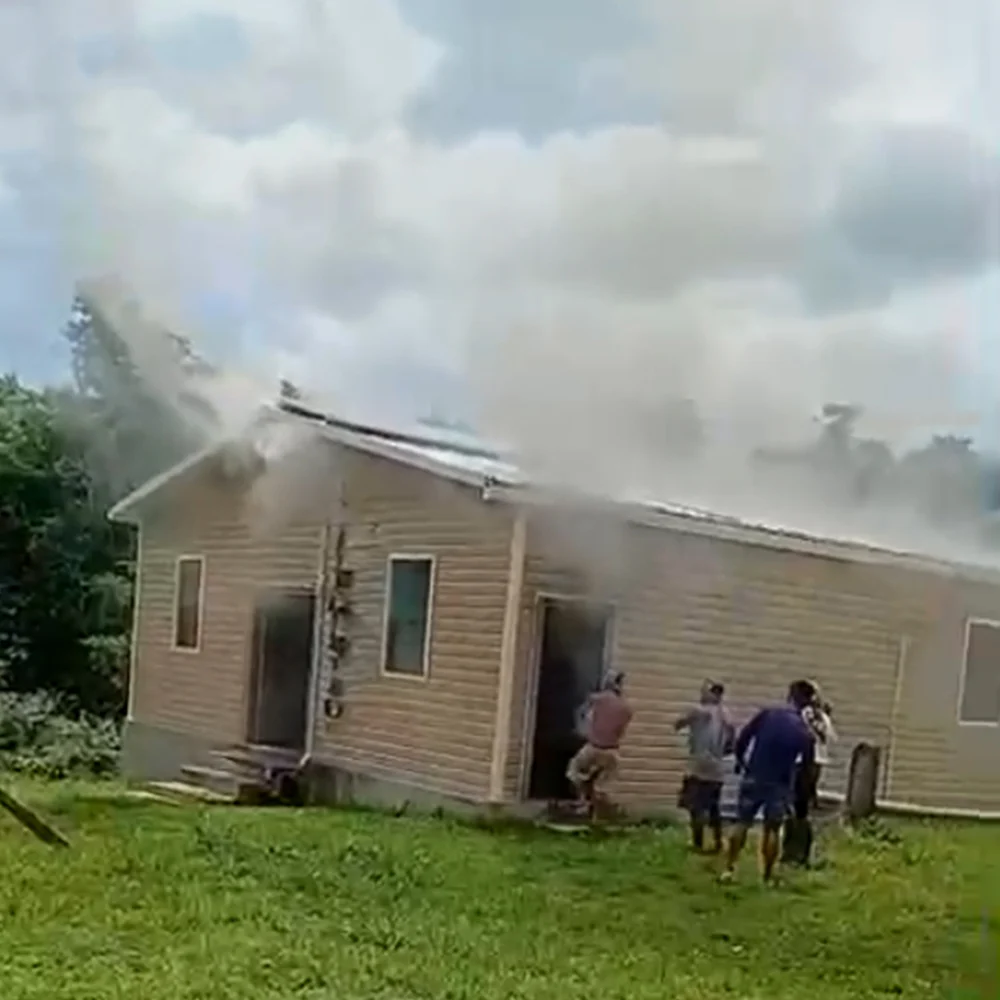
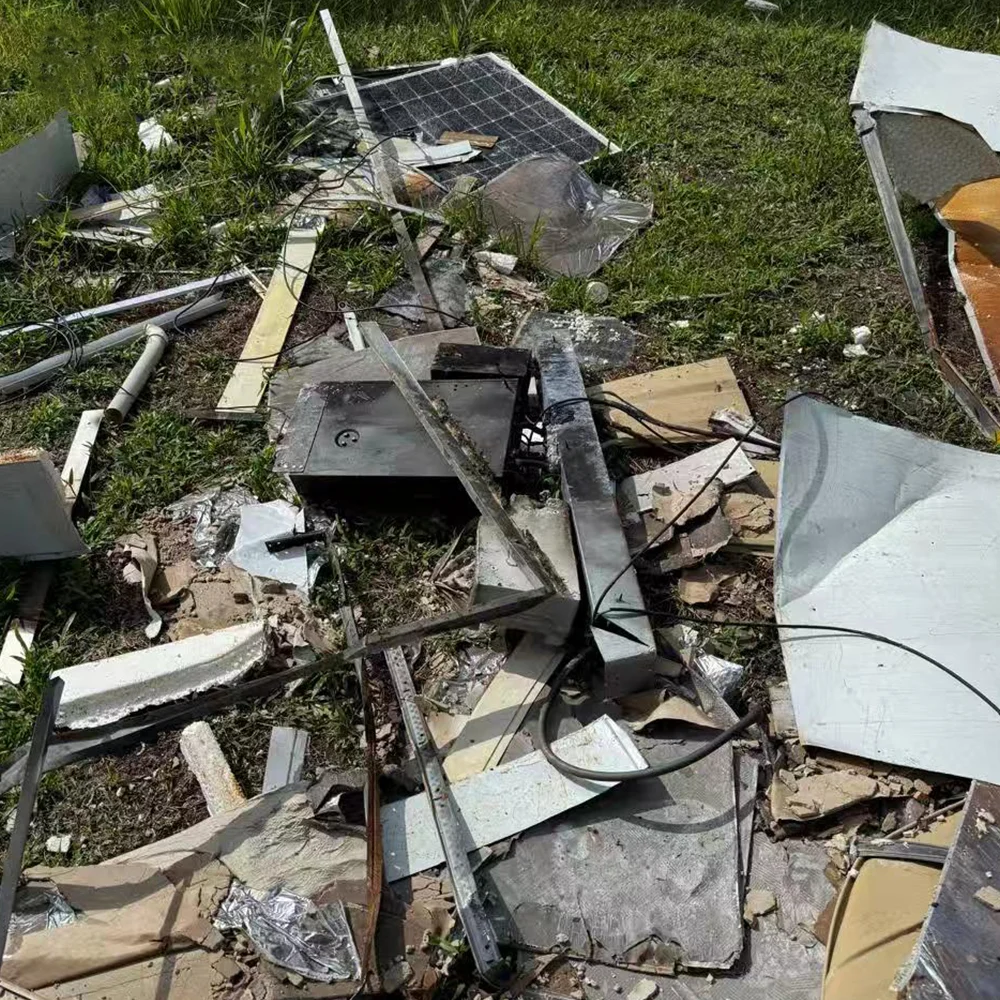
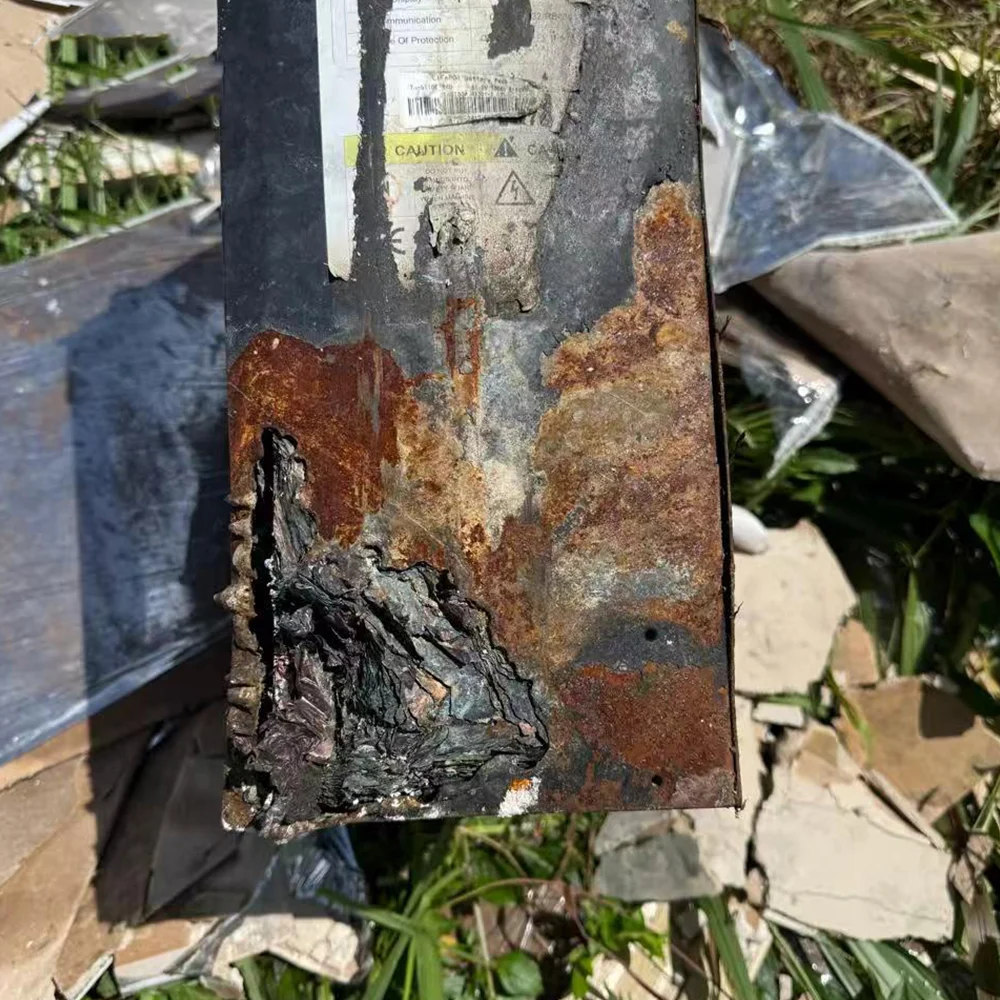
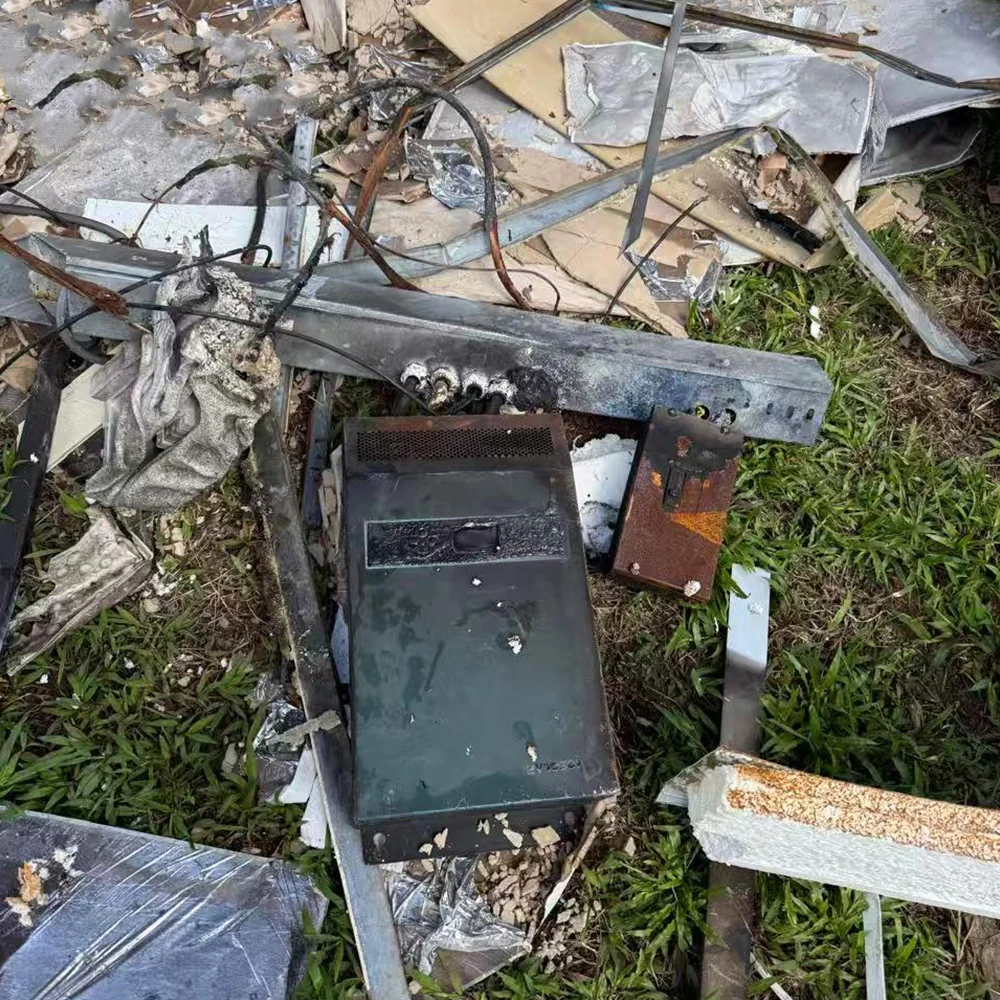
Important: The missing communication cable should not, by itself, be considered the confirmed cause of the fire. A complete Root Cause Analysis (RCA) is required to determine what happened, including examination of the BMS, inverter, charging parameters, protection functions, wiring, communication status, and available system records.
However, the incident raises an important question:
Why is battery-inverter communication so important?
1. The Communication Cable Is More Than a Data Cable
In a compatible lithium battery system, the BMS continuously monitors important battery conditions, including:
- Battery voltage
- Cell voltage
- Charging and discharging current
- Battery temperature
- State of Charge (SOC)
- Protection and alarm status
The BMS can communicate relevant battery information and operating limits to the inverter through communication protocols such as CAN or RS485, depending on the system design.
The inverter can then use this information to manage battery charging and discharging according to the battery manufacturer’s specified parameters.
In other words:
Battery → BMS → Communication → Inverter → Charging/Discharging Control
When communication is required by the system design, an incomplete or incorrect communication connection can affect how the battery and inverter work together.
2. What Happens If Communication Is Missing?
There is no single answer for every battery and inverter.
Different systems may respond differently when communication is unavailable. Depending on the design, a system may:
- Generate a communication fault
- Stop charging or discharging
- Enter a protection mode
- Operate according to predefined voltage parameters
- Require manual configuration before operation
Therefore, installers should never assume that a lithium battery can safely operate without its required communication connection.
Battery and inverter compatibility, communication protocols, cable pinout, and commissioning procedures should always be confirmed before the system is powered on.
3. Does the BMS Protect the Battery Without Communication?
The BMS is an important layer of battery protection, but it should not be considered the only safety mechanism in a complete energy storage system.
A BMS may monitor cell voltage, temperature, current and other parameters and activate protection when specified limits are reached.
At the same time, communication between the BMS and inverter allows the two devices to exchange operating information.
Therefore:
BMS protection and BMS-to-inverter communication are related, but they are not the same function.
A communication failure does not automatically prove that the BMS failed, and the presence of a BMS does not mean that the system can be operated without following the manufacturer’s communication and commissioning requirements.
For an actual incident, the BMS records, inverter settings, charging history, cell voltages, wiring, protection status and other available evidence should be reviewed before determining the root cause.
4. Never Power On Before Communication Is Verified
One of the simplest lessons from this incident is also one of the most important:
If the required communication cable is missing, do not power on the system.
Before commissioning a lithium battery energy storage system, installers should verify:
1. Battery and inverter compatibility
2. Correct communication cable and pinout
3. CAN/RS485 communication protocol
4. Correct battery type and inverter settings
5. Charging voltage and current limits
6. BMS status and alarms
7. Successful battery-inverter communication
8. Final system protection and commissioning
Only after these checks have been completed should the system be put into normal operation.
5. Battery Safety Requires a Complete System Approach
This incident also highlights a broader point: battery safety is not dependent on one component alone.
A reliable solar energy storage system requires the battery cells, BMS, inverter, communication system, electrical protection, installation environment, and commissioning process to work together correctly.
A missing communication cable may look like a small installation issue, but if communication is required for the specific battery-inverter configuration, it should be treated as a critical commissioning item, not an optional accessory.
What Can Installers Learn From This Incident?
The most important takeaway is simple:
Do not energize a lithium battery system until the battery, inverter, BMS communication, and protection settings have all been verified.
When a required component is missing, stop the commissioning process and contact the manufacturer or supplier for confirmation.
For any abnormal event, the correct approach is also to investigate the complete system rather than immediately assigning a single cause.
At Amosolar, we believe that reliable energy storage starts with proper product compatibility, correct installation, complete commissioning, and clear technical support.
If you are looking for lithium batteries, solar energy storage systems, battery-inverter solutions, or customized BESS, contact Amosolar for technical and system support.
Website: www.amosolarpv.com
Email: info@amo-solar.com

