
Solar Battery vs Generator: Which Backup Power Solution Is Better?
Release time: 2026-10-28
Table of Contents
When the power goes out, the best backup solution depends on how much electricity you need, how long the outage may last, and whether you can access reliable solar generation or fuel. A solar battery can provide quiet, responsive backup power using stored electricity, while a generator can continue supplying energy as long as fuel and operating conditions allow.
The choice between a solar battery and a generator is not simply a comparison of clean energy and conventional power. Each technology has different strengths, limitations, and installation requirements. For homeowners, commercial facilities, and off-grid properties, understanding these differences helps determine whether a battery, a generator, or a hybrid system provides the most practical solution.
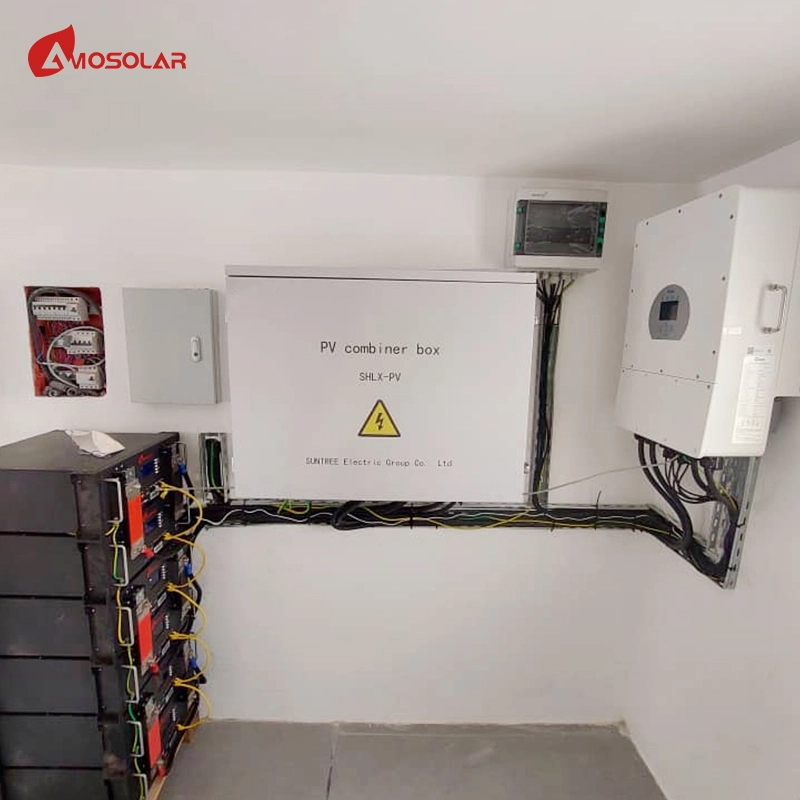
1. How Does a Solar Battery Compare with a Generator?
A solar battery stores electricity for later use. In a solar-plus-storage system, the battery can store excess PV generation during the day and supply electricity when production falls or the grid fails, provided the inverter and system are configured for backup operation.
A generator converts fuel into electricity. Depending on its design and installation, it may supply power independently of solar conditions, making it useful during prolonged outages or periods of low solar production.
| Comparison factor | Solar battery | Fuel generator |
|---|---|---|
| Energy source | Previously stored electricity; may recharge from solar or another supported source | Fuel such as gasoline, diesel, or gas, depending on the model |
| Noise | Usually very quiet during operation | Produces engine and exhaust noise |
| Local exhaust emissions | No direct exhaust during battery discharge | Produces exhaust emissions during operation, depending on fuel |
| Operating duration | Limited by usable stored energy and available recharging | Depends on fuel supply, load, maintenance, and operating limits |
| Maintenance | Requires monitoring, inspection, and battery-system maintenance | Requires engine servicing and fuel-system maintenance |
| Response during an outage | Can transfer quickly when designed with suitable backup controls | May require starting and transfer time |
| Solar integration | Can store excess PV generation when the system supports it | Can complement solar when generation is insufficient |
| Typical strengths | Frequent short outages, quiet operation, solar self-consumption | Long outages, remote locations, and sustained power needs |
Neither option is automatically better for every site. The right choice depends on the loads to be supported, the expected outage pattern, fuel availability, and the total cost of operating the system.
2. Which Option Is More Cost-Effective?
The initial purchase price is only one part of the decision. A meaningful cost comparison should consider installation, energy consumption, maintenance, replacement, and the frequency with which backup power will be used.
A solar battery generally involves a higher upfront investment when the project requires a dedicated battery and inverter, but it may reduce electricity purchases by storing surplus solar generation for later use. Its financial value depends on local electricity tariffs, solar production, system efficiency, battery life, and how regularly stored energy is used.
A generator may have a lower initial cost for some applications, but ongoing expenses include fuel, engine oil, servicing, and repairs. If outages are rare, these expenses may remain manageable. If a generator runs frequently for extended periods, fuel and maintenance can become significant parts of the total cost.
A useful comparison should evaluate:
- Initial equipment, installation, and electrical integration costs.
- Expected annual operating hours and energy consumption.
- Fuel expenses versus the value of stored solar electricity.
- Scheduled maintenance and likely repair requirements.
- Battery or generator replacement during the expected service life.
- The cost of interruptions to household activities or business operations.
A battery should not automatically be presented as the cheaper option. Its economics improve when the system can make productive use of solar electricity beyond emergency backup. A generator may remain more practical when outages are infrequent but prolonged, fuel is readily available, or the required power exceeds what a cost-effective battery system can deliver.
3. How Much Backup Power Do You Actually Need?
The correct system starts with the electrical loads, not with the battery capacity or generator rating.
Make a list of the equipment that must continue operating during an outage. For a home, this might include refrigeration, lighting, communications, and selected appliances. A commercial site may prioritize network equipment, security systems, production controls, or essential refrigeration.
Calculate the expected energy requirement:
Energy required (kWh) = Average load (kW) × Operating time (hours)
For example, a critical load averaging 1.5kW over six hours requires 9kWh of delivered AC energy.
For a battery system, the nominal capacity must be greater than the required delivered energy because usable depth of discharge and inverter losses affect the amount available to the loads. Additional reserve may be needed if outages are unpredictable or the system must support aging batteries and changing conditions.
For a generator, average energy consumption is not enough to determine the correct rating. The generator must also support the simultaneous load, starting currents from motors or compressors, and any applicable operating limits. Fuel consumption varies with the generator model and load level, so manufacturers’ performance data should be used for estimates.
In both cases, verify continuous power, surge requirements, and the transfer equipment needed to connect the backup source safely.
4. What Happens During a Long Power Outage?
This is one of the most important differences in the solar battery vs generator decision.
A battery can continue powering loads until its usable energy is depleted or the system reaches its operating limits. If solar generation is available, the system may recharge the battery during daylight. However, cloudy weather, shading, high consumption, or insufficient PV capacity can slow recharging.
A generator can continue running while fuel is available and the equipment remains within its operating limits. This can make it useful for remote properties, extended outages, and sites where continuous energy supply is more important than quiet operation.
The practical distinction is that a battery depends on available stored energy and recharging opportunities, while a fuel generator depends on fuel supply and engine operation.
For properties that experience both short daily interruptions and occasional multi-day outages, a hybrid system may offer a better balance. The battery can support quiet operation and absorb solar generation, while a correctly integrated generator can recharge the battery or supply loads during extended low-solar periods.
The system must be specifically designed to support this arrangement. Not every battery inverter accepts generator input, and the charging limits and control settings must be compatible.
5. Which Solution Is Better for Home and Commercial Backup?
Residential applications
Solar batteries can be attractive for homes that already have solar panels, experience relatively short outages, or want to use more of their own solar electricity after sunset. Quiet operation is particularly useful in residential neighborhoods.
For limited backup requirements, a smaller battery may supply essential loads without attempting to operate every appliance in the property. The design should account for high-demand devices such as air conditioners, electric ovens, and water heaters.
For example, a 12.8V 100Ah LiFePO4 battery has a rated energy of 1.28kWh. That is a useful reference for understanding the scale of a single battery, but its actual suitability depends on the required power, system voltage, inverter arrangement, and usable energy. One small battery should not be assumed to support an entire household.
Commercial and industrial applications
Commercial facilities need to evaluate business continuity as well as household-style backup needs. A short interruption may affect refrigeration, communications, servers, manufacturing processes, or customer operations.
A battery energy storage system can support selected critical loads and may also help manage electricity demand during normal grid-connected operation. A generator can provide another source of sustained power when the battery’s stored energy is insufficient.
For facilities with high power requirements or extended outages, the decision may involve a larger integrated system rather than a standalone household battery. Load prioritization, switching arrangements, installation space, ventilation, fuel logistics, and service access all matter.
Off-grid and remote sites
Remote homes, cabins, farms, and service facilities may have limited access to grid electricity. In these locations, solar generation and batteries can reduce reliance on fuel deliveries, while a generator can provide backup during extended periods of poor solar conditions.
A complete 5kW off-grid solar system with battery storage illustrates the integrated approach: solar generation, inverter capacity, and battery storage need to be designed together rather than chosen separately.
The appropriate configuration depends on daily consumption, seasonal sunlight, expected autonomy, and whether a secondary energy source is needed.
6. Can a Solar Battery and Generator Work Together?
Yes. A hybrid setup may be more practical than choosing only one backup source, especially where outages vary in duration.
A properly designed system may use solar energy to supply loads and recharge the battery during normal conditions. The battery can then support loads during the evening or an outage, while the generator supplies additional energy when stored capacity becomes insufficient.
Before selecting a hybrid setup, verify that the inverter and battery system support the intended generator connection and controls. Important factors include charging power limits, transfer arrangements, grounding, protection devices, and the process for restarting the system after a shutdown.
The goal is not to run every component at all times. It is to use each source where it provides the most value while maintaining safe, reliable operation.
7. How to Choose the Right Backup Power Solution
Consider the following practical decision points:
- Choose a solar battery when quiet operation, frequent short-duration backup, and greater use of solar electricity are key priorities.
- Choose a generator when prolonged runtime, sustained loads, or operation through extended periods of low solar output are central requirements.
- Consider a hybrid system when you need the everyday benefits of solar storage but also require a dependable option for longer outages.
Before purchasing, confirm the essential load list, required backup duration, continuous and starting power, available solar generation, fuel access, installation constraints, and maintenance requirements.
Why Consider Amosolar for Solar Battery Backup?
A reliable backup arrangement depends on more than the battery itself. Capacity, inverter compatibility, system controls, solar generation, and the expected outage pattern must all be considered together.
Amosolar offers solar battery storage products and solar system options for different applications. The appropriate configuration depends on whether the objective is to support critical household loads, increase solar self-consumption, or provide energy for a remote installation.
Prepare your load list, expected backup duration, existing inverter details, and solar system specifications before requesting a proposal. This information helps determine whether battery-only backup, generator backup, or a hybrid configuration is more appropriate.
Contact Amosolar to discuss a backup power system designed around your energy requirements.
Frequently Asked Questions
1. Is a solar battery better than a generator for home backup?
A solar battery may be a better fit for quiet operation, short outages, and using stored solar electricity. A generator may be more practical for prolonged outages or sustained high loads. The right option depends on the household’s energy requirements and budget.
2. Can a solar battery run a house overnight?
It can supply the loads supported by its usable capacity and inverter power. Whether it can run an entire house overnight depends on energy consumption, appliance demand, battery capacity, and the amount of stored energy available at sunset.
3. Does a solar battery work when the grid goes down?
Only if the system is designed to provide backup power. Some grid-connected solar installations shut down during a grid outage unless they have suitable battery storage, backup-capable inverters, and the required electrical controls.
4. Can a generator charge a solar battery?
Some systems support generator charging, but this depends on the inverter, battery controls, electrical arrangement, and manufacturer requirements. Compatibility should be confirmed before installation.
5. Is a battery-generator hybrid system worth it?
It may be worthwhile for sites that need quiet backup during ordinary interruptions but must also withstand longer outages or extended periods of low solar generation. A cost assessment should include equipment, fuel, maintenance, battery use, and the business or household impact of losing power.

